The best sticker is not simply the one that looks attractive. Its material must suit the surface, environment, expected lifespan and method of use. A label for a dry product box has different requirements from a sticker applied to a chilled bottle, takeaway container or shop window.
Before requesting a quotation, answer five questions: Where will the sticker be applied? Is the surface flat or curved? Will it be exposed to moisture, heat or sunlight? How long should it remain in place? Does it need to be removed cleanly? These answers quickly narrow the options.
1. Paper stickers: practical for dry indoor use
Paper sticker stock is a cost-effective choice for product labels, promotional seals, address labels and short-term indoor applications. It accepts colour printing well and can be supplied with different surface finishes. However, untreated paper is not the best choice for repeated contact with water, condensation or oil.
Choose paper when the item will remain dry, the campaign is short, or quantity and value are the main priorities.
2. Synthetic or PVC stickers: better moisture resistance
Synthetic sticker materials are more resistant to moisture and handling than ordinary paper. They are commonly considered for bottles, food containers, retail packaging and other applications where durability matters. Actual performance depends on the specific face material, adhesive, surface and exposure conditions, so describe the intended use when requesting a quote.
3. Transparent stickers: a clean, minimal appearance
Transparent labels allow the product, glass or packaging colour to remain visible. They work well for windows, clear containers and minimalist branding. Light-coloured artwork may need special planning because transparent stock does not provide an opaque white background. Ask for an artwork check if colour accuracy is important.
4. Removable stickers: suitable for temporary messages
Use removable adhesive for short campaigns, event labels, temporary instructions or surfaces that should not retain strong adhesive residue. Always test the sticker on the actual surface, especially on painted, coated, textured or delicate finishes.
5. Specialty finishes: use them with a clear purpose
Gloss lamination can increase colour impact and improve surface protection. Matte lamination gives a softer, premium appearance with less glare. Holographic and kraft-style materials can create a distinctive visual identity, but the artwork should be designed for the material rather than treated like ordinary white paper.
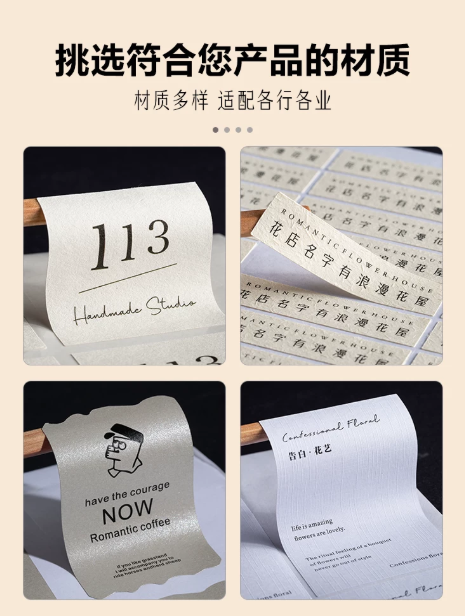
Match the adhesive to the surface
Material is only half of the decision. Adhesive behaviour changes on glass, plastic, metal, coated card, rough board and low-energy plastics. A permanent adhesive may suit long-term packaging, while a removable option is safer for temporary signage. Clean, dry and dust-free surfaces normally give the most reliable application.
Prepare the right information for quotation
Send the finished size, shape, quantity, artwork, application surface, indoor or outdoor use, expected lifespan and preferred finish. If possible, provide a photo or sample of the surface. For custom shapes, include a clear cut path or ask the Vivid Pulse team to check the file.
Explore custom-size sticker and label printing or standard adhesive sticker printing. Material availability and suitability can be confirmed during quotation.
FAQ
Are paper stickers waterproof?
Ordinary paper stickers are intended mainly for dry use. Lamination can improve surface protection, but it does not automatically make every label suitable for prolonged water exposure.
Should I choose gloss or matte finishing?
Gloss gives stronger shine and colour impact. Matte reduces glare and creates a softer premium look. Choose according to the brand style and handling environment.
Can I order custom shapes?
Yes, custom shapes may be produced when suitable artwork and cutting information are supplied. Confirm the size, quantity and cut line before production.
---